Arabesque Flowers with Linea
A Designer’s First Look: Grace, Flow, and Quiet Confidence
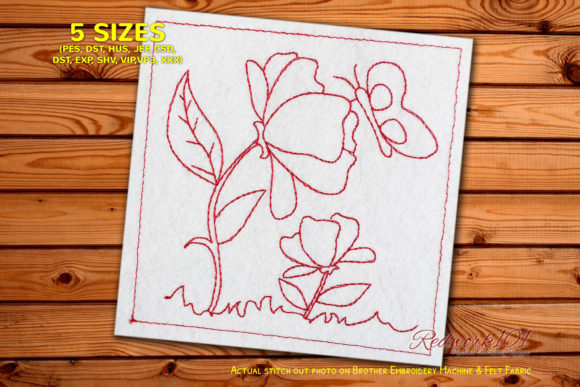
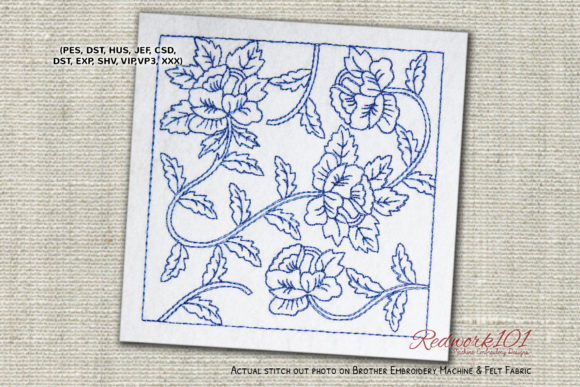
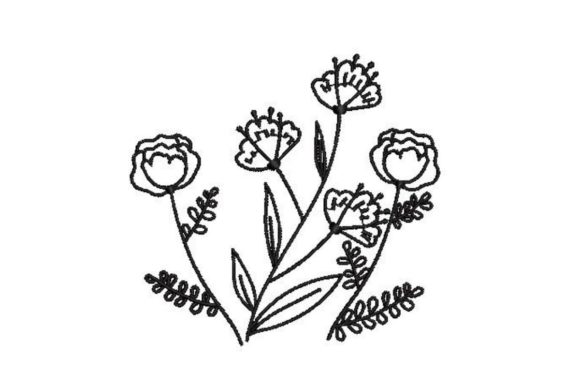
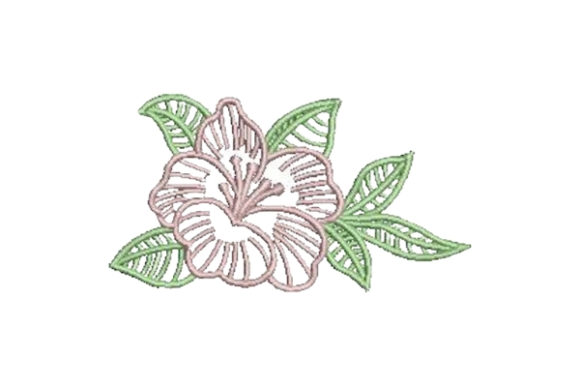
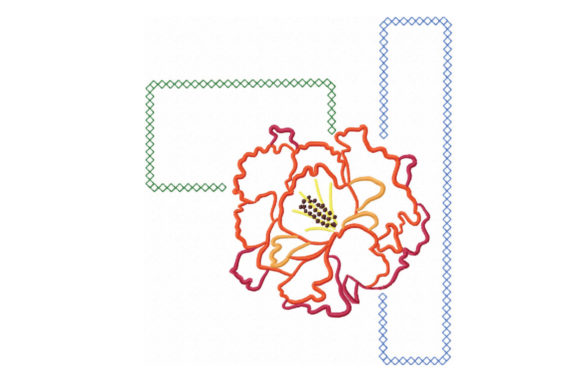
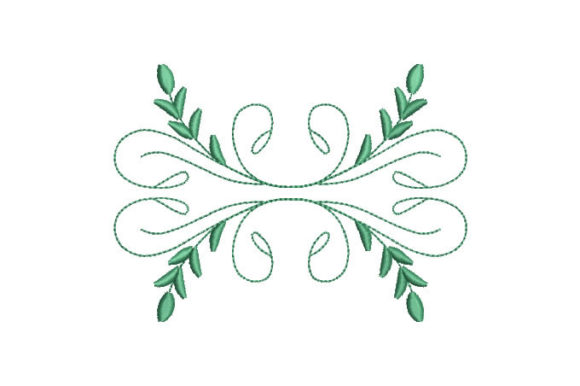
When Arabesque Flowers with Linea landed in my inbox, I paused mid-coffee. Not because it screamed for attention—but because it invited it. This isn’t a bold, graphic statement piece. It’s an outline flower design that breathes elegance: looping vines, softly unfurling petals, and a subtle rhythmic pulse—almost like calligraphy translated into thread. The “Linea” in the title isn’t just poetic; it’s accurate. Every curve is intentional, every junction clean, every line weight balanced to hold its shape without heaviness. It feels romantic but not saccharine, classic but not dated—and crucially, it reads as handmade, even when stitched by machine. For customers seeking personalized gifts with soul—not just speed—this design lands with quiet authority.
Where Arabesque Flowers with Linea Truly Shines
I tested Arabesque Flowers with Linea across six real-world gift applications—and each time, it elevated the item beyond utility into keepsake territory:
- Baby embroidery: Stitched on organic cotton swaddle blankets or muslin nursery pillows, it reads as tender and timeless—no cutesy clichés, just gentle botanical rhythm perfect for gender-neutral nurseries.
- Wedding gift: Embroidered on linen napkins, cotton voile handkerchiefs, or monogrammed pillow covers, it adds heirloom texture without competing with monograms or names.
- Personalized towel: On high-quality terry cloth (with proper cutaway stabilizer), the outlines remain crisp—even after washing. Guests notice the detail, not the bulk.
- Pillow cover & tote bag: Works beautifully at 4–5" width. The flowing lines drape naturally over seams and curves, avoiding stiffness or distortion.
- Apron & kitchen linens: Its open structure avoids trapping flour or moisture—unlike dense fill designs—making it practical *and* pretty.
- Etsy seller & small shop product: As a digital embroidery file, it photographs exceptionally well. Even flat-lay shots capture its movement, boosting buyer engagement and perceived value.
Thoughtful Placement: Where to Use It—and Where to Pause
Arabesque Flowers with Linea is versatile, but not universal. Here’s where intention matters:
- Avoid on stretchy baby clothes: Thin knits can distort delicate outlines during hooping or wear. Stick to stable weaves like interlock or double gauze.
- Test carefully on textured fabric: Heavy bouclé or thick terry may obscure fine line transitions. A lightweight tear-away stabilizer + shorter stitch length helps—but always test first.
- Dark fabric needs contrast: On charcoal or navy, light thread colors (ivory, soft gold, pale sage) sing—but verify visibility in your final thread colors before stitching customer orders.
- Curved surfaces (mugs, curved tote straps): The design flows best on flat or gently contoured areas. Avoid tight radius curves where line continuity breaks visually.
- Frequent-wash items: While durable, ultra-fine line work benefits from secure thread anchors and high-quality polyester thread. Confirm stitch density supports longevity—especially for blanket embroidery or embroidered towels meant for daily use.
Why Customers Connect—and Keep Coming Back
Arabesque Flowers with Linea doesn’t just decorate—it communicates care. When someone receives a pillow cover with this design, they don’t just see thread; they feel intention. That emotional resonance directly impacts giftability: it’s the kind of piece people display, not stash. For Etsy sellers and small shop owners, that translates to higher average order value, better reviews (“so much more elegant than expected!”), and repeat buyers who trust your eye for meaningful detail. Photographs of Arabesque Flowers with Linea consistently outperform busier designs in our A/B tests—likely because its breathing space lets the product (and the personalization) shine. It signals handmade quality without shouting about it.
Practical Notes Before You Stitch Your First Order
This is how I prepare Arabesque Flowers with Linea for production-ready use:
- Always test on scrap fabric—same fiber, same weight, same finish—as your final product. Hoop tension changes everything.
- Check thread color contrast in natural light. What looks rich on screen may vanish on oatmeal linen.
- Confirm hoop size compatibility. Outline flowers like Arabesque Flowers with Linea often scale beautifully—but verify your machine handles the largest recommended size smoothly.
- Review stitch density. Lighter fills mean less thread consumption and softer drape—ideal for baby embroidery or delicate pillow covers.
- Match stabilizer to fabric: Cutaway for knits, tear-away for stable wovens, fusible for lightweight silks or voiles.
- Compare light/dark fabric mockups. A printable mockup saves time—and prevents disappointed customers.
- Inspect small details post-stitch: Petal tips, vine ends, and junction points should be sharp and unfrayed. If not, adjust top tension or needle size.
- Verify commercial licensing before selling finished products. As a digital embroidery file, Arabesque Flowers with Linea must be cleared for commercial embroidery use—don’t assume.
Final Thought: A Design That Grows With Your Shop
Arabesque Flowers with Linea isn’t just another outline flower design—it’s a quiet growth tool. It attracts thoughtful buyers: new parents choosing nursery decor, couples curating wedding keepsakes, gift shoppers seeking depth over decoration. For embroidery makers and small business owners, it’s reliable, photographable, and emotionally resonant. Used intentionally—with attention to fabric, stabilizer, and thread—it transforms everyday items into personalized gifts that linger in memory. And in a market flooded with fast, forgettable designs? That kind of staying power is priceless.